Why we idealize the past and how to stop living in it
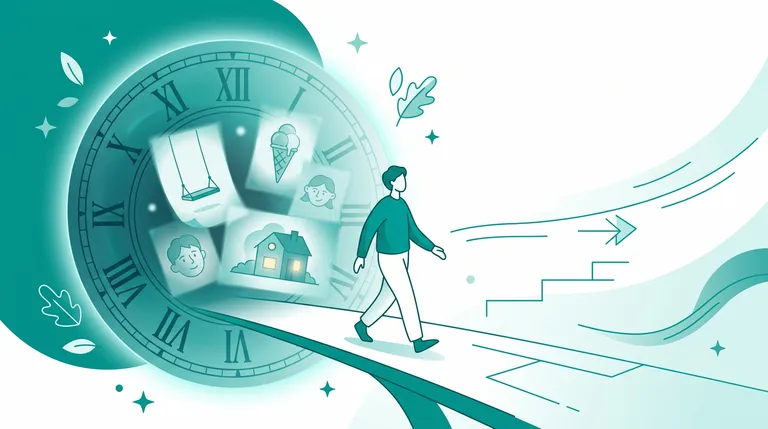
From a psychological standpoint, the question of why we glance back so frequently can be answered in different ways: strictly and scientifically, or more philosophically. The first approach attributes this to the defense mechanisms of our psyche. The second requires a deeper look into the very structure of human life.
In this article, experts from the nəoldu platform explore what triggers nostalgia and how to bring your focus back to the present.
To put it poetically, the idealization of the past is inextricably linked to nostalgia. In the language of emotions, it is a deep longing for something distant, bright, and slipping away. In our memory, these moments are preserved as separate vivid flashes, resembling old childhood photographs.
Remembering the past, we try to reassemble this collage of sounds, scents, someone's warm embrace, or important words. We write the diary of our life in retrospect, trying to capture what we are afraid to lose.
Nostalgia is a longing for a time to which it is impossible to return, but where we sometimes desperately want to escape. At that moment, we inevitably touch up reality through the power of imagination. And the saddest discovery is that we often long for something... that never actually existed. Our memory easily confuses real facts with fiction.
Psychological Defense: How Idealization Works
"Memory is the only paradise from which we cannot be driven," the writer Jean Paul once wrote. However, of course, we do not only remember the good. Sometimes memories turn into a heavy ordeal, and the psyche activates defense mechanisms to literally "erase" traumatic events.
One of these mechanisms is called idealization. At first glance, there is nothing wrong with it. It is difficult for a person to live without internal anchors, and if focusing on pleasant moments helps you feel more confident, then why not?
Yet, there is a flip side to this defense — devaluation. The psyche operates on the law of resource conservation: if you amplify the significance of the past, you take this energy away from the present.
What Are the Dangers of Escaping into Memories?
- The present day fades. You stop noticing the joys of real life.
- The future is devalued. Plans and goals seem less appealing compared to that "golden age" when the grass was greener and friendship was stronger.
- Internal resources are depleted. A lot of energy goes into maintaining illusions — energy that could be used for growth and moving forward.
Ancient Frameworks of the Unconscious
What kind of "shelter" does this mechanism build for us? Psychoanalysis explains this through the existence of primal fantasies — core plots of the unconscious that we inherit historically and culturally.
One of the main plots is the desire to return to a safe place, to where we were cared for. This shelter can mean a mother's embrace, the warmth of home, or periods of life when there was no need to make difficult decisions.
Such an "evacuation to the past" is a temporary regression. We all sometimes need a breather and a quiet place in our minds. But if this escape becomes permanent, it leads to stagnation and halts personal development.
How to Reclaim Your Past and Move Forward
As the famous saying goes, without knowing the past, there is no future. In the context of personal history, to idealize means not to know your real experience.
In the process of psychotherapy, crucial changes occur exactly when psychological defenses weaken and a person begins to see their memories as they truly were. Yes, this path is often accompanied by disappointment, the collapse of illusions, and sadness. But without this "grief work," it is impossible to accept your own history.
Paradoxically, it is the acceptance of a real (even if imperfect) experience, rather than longing for a fictional ideal, that becomes a true, solid foundation. This allows you to honestly reclaim your past, let it go, and finally see your future in a realistic and broader perspective.
If you feel like you are stuck in your memories and find it difficult to enjoy the present, nəoldu experts are ready to support you. On our platform, you will find qualified professionals who will help you understand yourself and rediscover the taste for real life.