Jealousy: where it comes from and how to handle it
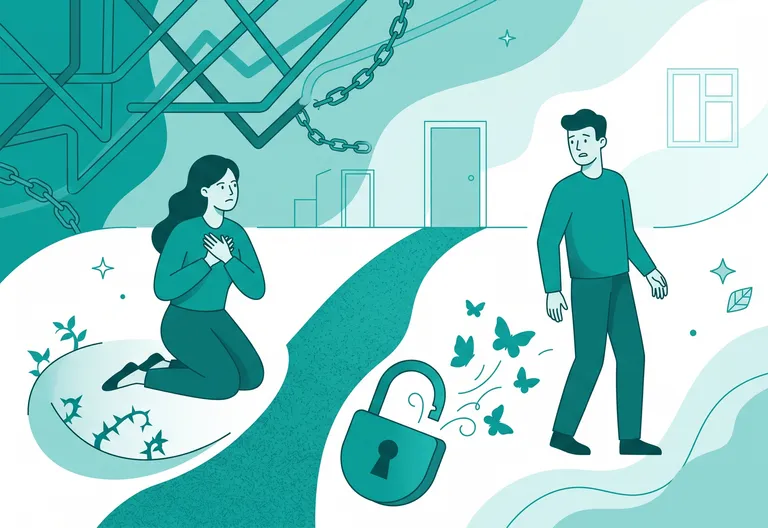
Why does one person calmly let their partner go out with friends, while another throws a massive tantrum over an accidental like on social media? Where is the line between natural concern and neurotic control? And what should you do if obsessive thoughts about potential infidelity interfere with your daily life?
In this article, experts from the nəoldu platform examine the psychological roots of jealousy and explain how to restore peace to your relationship.
Healthy Jealousy: Echoes of Childhood Experience
To one degree or another, jealousy is familiar to absolutely everyone, as we all go through the initial experience of encountering boundaries in childhood. As preschoolers, we discover with surprise that our parents do not belong solely to us, or we notice that a sibling sometimes receives more attention.
Such discoveries inevitably trigger childhood resentment, anger toward the "rival," and even a hidden sense of guilt: it feels as though you did something wrong to make them love you less. This early experience lays the foundation for ordinary, healthy jealousy in adulthood. We feel jealous simply because we have already faced rejection in the past and subconsciously fear experiencing that pain again.
When Jealousy Becomes Unhealthy: Three Main Reasons
While people normally outgrow these childhood deficits, under certain circumstances, jealousy takes on a destructive, neurotic character. Psychologists identify several key mechanisms behind its appearance:
1. Incomplete Separation
In an ideal situation, parents help the child understand: you cannot be our partner, but you will grow up and create your own family. If emotional separation from the parents has not occurred, the person continues to feel small and defenseless even as an adult.
In romantic relationships, they begin to see their partner not as an equal adult, but as a dominant, rejecting parental figure. Because of this, constant suspicion and the fear of being abandoned arise, even when there is no real reason to panic.
2. Psychological Projection
Sometimes, a powerful outburst of jealousy conceals thoughts and desires that a person is afraid to acknowledge within themselves. For instance, a jealous person may subconsciously feel attracted to other people.
Since the thought of their own potential infidelity causes too much guilt, the psyche activates a defense mechanism — projection. It becomes much easier for the person to blame their partner for these hidden desires than to admit them to themselves.
3. Neurotic Need for Love and Basal Anxiety
An excessive desire for total control often grows out of what is known as basal anxiety. This term describes a state where a child did not feel safe in childhood (for example, if the mother frequently left them alone for long periods). The child forms an internal conflict: they are totally dependent on the parent, yet simultaneously angry at them for being cold and unreliable.
Carrying this conflict into adult life, the person desperately seeks security and reassurance in relationships, rather than joy. They demand absolute, unconditional love from their partner at every moment. But since it is impossible to fully possess another living human being, neurotic jealousy is born. It is driven purely by the fear of losing control, so any interest the partner has — whether a hobby, work, or friends — is perceived as a direct threat.
How Can Psychotherapy Help?
Working with a specialist helps look behind the curtain of this painful feeling and discover its true causes. In the process of psychotherapy, you can:
- Identify secondary gains. Sometimes, stormy scenes of jealousy are an unconscious attempt to destroy the relationship due to a deep-rooted fear of real intimacy.
- Separate jealousy from envy. A detailed analysis of situations often shows that the partner or the object of jealousy simply reminds the person of someone from their past (such as a younger sibling who was the parents' favorite).
- Process this experience in a safe environment. The therapeutic space is unique because it allows you to experience jealousy directly during sessions. The psychotherapist also goes on vacation and works with other clients, but this does not imply neglect toward you.
Unlike personal life, where talking about such fears can be difficult, in therapy you can openly express any thoughts, even the most frightening ones. This provides an invaluable experience: the realization that if a loved one has interests outside of their communication with us, it does not make us any less valuable.
If jealousy is poisoning your life and preventing you from building a trusting relationship, nəoldu experts are ready to support you. On our platform, you can choose a qualified psychologist who will help you understand the sources of your anxiety and take a step toward inner peace.